
How to Bleed a Radiator and Improve Your Heating Efficiency
How to Bleed a Radiator: A Step-by-Step Guide
Bleeding your radiators is one of the simplest jobs you can do to keep your heating system running efficiently. Over time, trapped air in radiators naturally builds up, which stops them heating evenly and can make your boiler work harder than it needs to.
The good news is that bleeding a radiator only takes a few minutes and doesn’t require any specialist tools, just a radiator key and a cloth to catch any drips.
In this guide, we’ll walk you through exactly how to bleed a radiator safely and effectively.
Do Your Radiators Need Bleeding? Signs of a Cold Radiator
It’s normal for a small amount of air to gradually build up inside your radiators, and this is exactly why learning how to bleed a radiator is such a useful skill for any homeowner. The easiest way to spot the problem is by feeling the radiator while your heating is on.
If a radiator is colder at the top than at the bottom, this usually means air is trapped inside and it needs bleeding. If it’s the other way round, cold at the bottom but warm at the top, this can be a sign of sludge build up in the system, which bleeding alone won’t fix and may need a professional flush instead.
How to Bleed a Radiator
Before you begin, take a moment to check each radiator in your home so you know exactly which ones need attention.
Step 1: Identify Which Radiators Need Bleeding
Turn your heating on and wait for the radiators to warm up fully. Check each one by hand and make a note of any that are colder towards the top, as these are the ones that will need bleeding.
Step 2: Turn Off Your Heating
Switch your heating system off and allow the radiators to cool down before you start. This makes the job safer and easier to manage.
Step 3: Locate the Bleed Valve
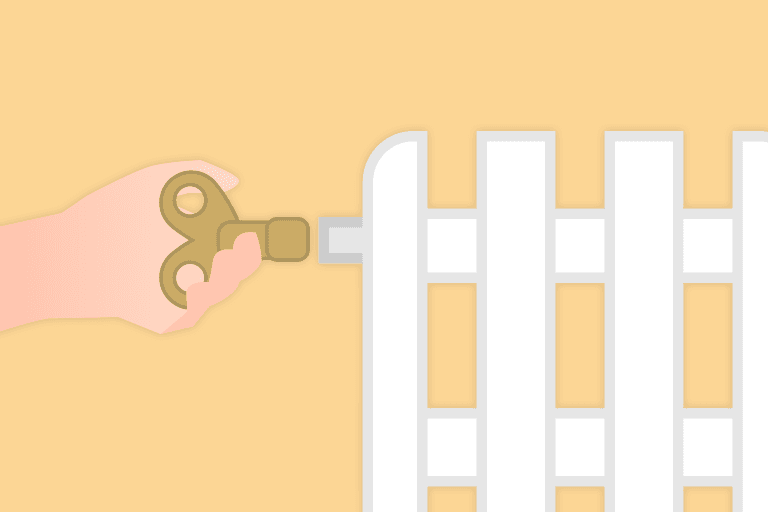
Find the bleed valve, usually a small square fitting at the top corner of the radiator. Insert your radiator key into the valve and keep a cloth or rag handy underneath to catch any drips. If you don’t have a radiator key, a flathead screwdriver will often work as a substitute.
Step 4: Open the Valve
Turn the radiator key anti-clockwise to slowly open the valve. You should hear a hissing sound as the trapped air escapes, and you may notice a little water starting to come through too.
Step 5: Close the Valve
Once the hissing stops and water begins to flow steadily and continuously, turn the key clockwise to close the valve firmly.
Step 6: Wipe Away Any Drips
Use your cloth to clean up any water around the valve and make sure the area is dry before moving on to the next radiator.
Step 7: Turn Your Heating Back On
Once you’ve bled all the radiators that needed it, switch your heating system back on. Give it some time to circulate, then check each radiator to make sure it’s now heating evenly from top to bottom.
Step 8: Check and Top Up Your Boiler Pressure
Bleeding radiators can cause your boiler’s pressure to drop, so it’s worth checking the pressure gauge once you’ve finished. If it’s fallen below the recommended level, you’ll need to top it up to get your system back to normal working order.
Getting the Best Results When Bleeding Your Radiators
Once you know how to bleed a radiator, a few simple habits will help the job go smoothly and keep your heating running efficiently afterwards:
- Work through your radiators in order, starting with the one closest to your boiler and moving outwards
- Always let radiators cool before bleeding them to avoid scalding yourself with hot water or steam
- Keep a cloth handy throughout, as even a small drip can mark carpets or flooring
- Check your boiler pressure gauge every time you bleed a radiator, not just at the end
When Should You Contact a Professional?
Knowing how to bleed a radiator is a straightforward skill for most homeowners, but there are times when it’s best to call in an expert. You should get in touch with a professional if:
- A radiator stays cold at the bottom even after bleeding, which can point to a sludge build up
- You need to bleed the same radiators repeatedly within a short space of time
- Your boiler pressure keeps dropping despite topping it up correctly
- You notice leaks, unusual noises, or other signs of a wider system issue
Need Help with Your Heating System?
Bleeding your radiators is a great way to keep on top of your heating system’s performance, but ongoing efficiency also depends on regular professional servicing. At M&R Plumbing and Heating Ltd, our experienced engineers provide expert boiler and central heating servicing, maintenance, and repairs. Whether you need help with a persistent cold spot or want to book in a service, we’re here to keep your system running smoothly all year round.
Contact us today to book a service or speak to our team.